
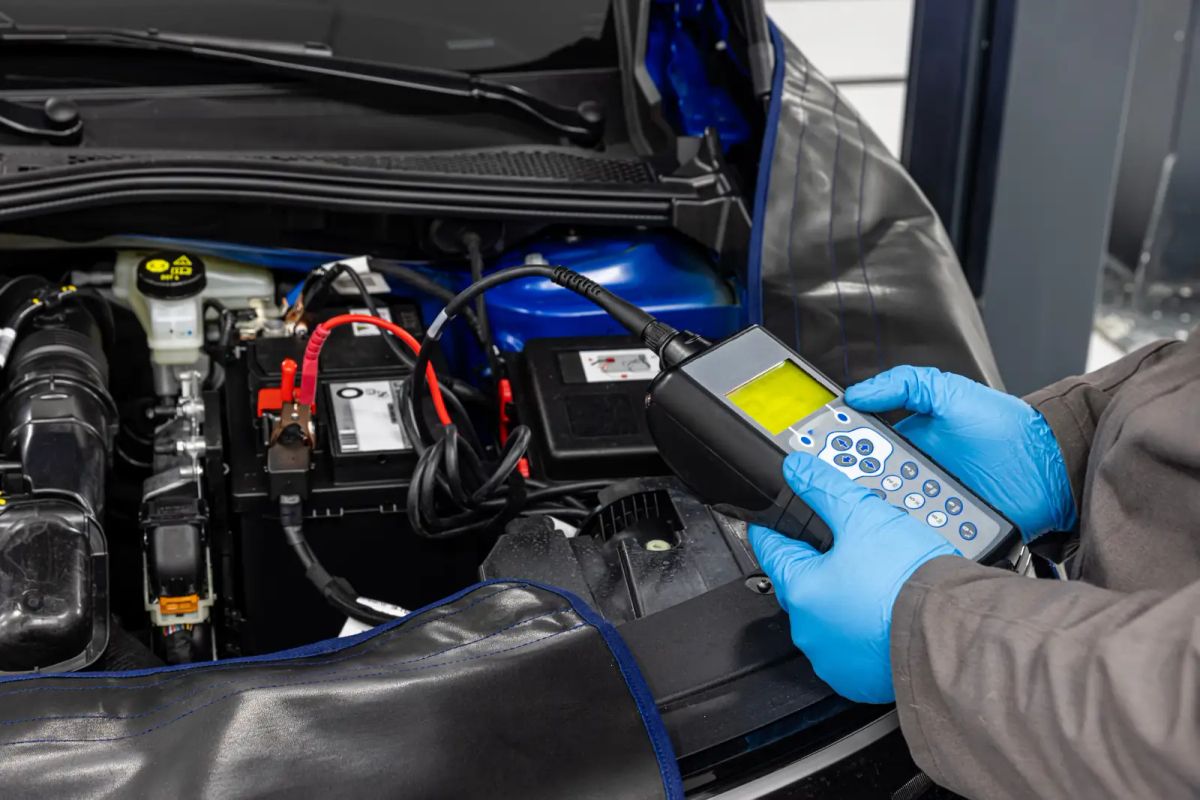
How Long to Charge Car Battery? UK Guide
Car battery charging times vary significantly depending on the battery type, charging method, and current charge level. Understanding these factors helps you plan for battery maintenance and emergency situations.
Types of Car Batteries and Charging Times
Lead-Acid Batteries (Standard)
Most Common in UK Vehicles
Charging Times:
- Dead Battery (0%): 8-12 hours
- Half Charged (50%): 4-6 hours
- Low Battery (25%): 6-8 hours
- Maintenance Charge: 2-4 hours
Characteristics:
- Capacity: 40-100 Ah (Amp Hours)
- Voltage: 12V
- Charging Rate: 4-10 Amps recommended
- Lifespan: 3-5 years typically
AGM (Absorbent Glass Mat) Batteries
Premium Option for Modern Cars
Charging Times:
- Dead Battery (0%): 6-10 hours
- Half Charged (50%): 3-5 hours
- Low Battery (25%): 4-6 hours
- Maintenance Charge: 2-3 hours
Characteristics:
- Capacity: 50-120 Ah
- Voltage: 12V
- Charging Rate: 5-15 Amps recommended
- Lifespan: 4-6 years typically
Lithium-Ion Batteries
Electric and Hybrid Vehicles
Charging Times:
- Level 1 Charging: 8-20 hours
- Level 2 Charging: 2-8 hours
- DC Fast Charging: 30 minutes to 2 hours
- Home Charging: 4-12 hours
Characteristics:
- Capacity: 40-100 kWh
- Voltage: 400V+ (high voltage)
- Charging Rate: Variable by charger type
- Lifespan: 8-15 years typically
Charging Methods and Their Duration
Trickle Charging (1-2 Amps)
Best for Long-Term Maintenance
Charging Times:
- Dead Battery: 12-24 hours
- Low Battery: 6-12 hours
- Maintenance: 4-8 hours
Advantages:
- Safe: Won't damage battery
- Thorough: Complete charge
- Maintenance: Keeps battery healthy
- Automatic: Many chargers have auto-shutoff
Standard Charging (4-10 Amps)
Most Common Method
Charging Times:
- Dead Battery: 6-12 hours
- Low Battery: 3-6 hours
- Maintenance: 2-4 hours
Advantages:
- Balanced: Good speed and safety
- Versatile: Works with most batteries
- Reliable: Proven method
- Available: Most chargers support this
Fast Charging (10+ Amps)
Quick Charge for Emergencies
Charging Times:
- Dead Battery: 2-4 hours
- Low Battery: 1-2 hours
- Maintenance: 1 hour
Considerations:
- Heat Generation: Can damage battery if overused
- Not Recommended: For regular maintenance
- Emergency Use: Only when necessary
- Monitor Closely: Watch for overheating
Factors Affecting Charging Time
Battery Condition:
- New Battery: Charges faster, more efficiently
- Old Battery: Takes longer, may not hold full charge
- Damaged Battery: May not charge properly
- Sulfated Battery: Requires special charging process
- Frozen Battery: Must thaw before charging
Temperature:
Running a UK garage?
Independent UK garages use AutoChain to win more repeat work, cut admin, and compete with national chains.
Get your first month free →- Cold Weather: Slower charging, reduced capacity
- Hot Weather: Faster charging but risk of damage
- Optimal Temperature: 20-25°C for best results
- Indoor Charging: More consistent temperature
- Outdoor Charging: Affected by weather conditions
Charger Quality:
- Smart Chargers: Automatic adjustment, faster charging
- Basic Chargers: Fixed rate, slower but safer
- Multi-Stage Chargers: Optimized charging phases
- Cheap Chargers: May be inefficient or unsafe
- Professional Chargers: Best performance and safety
Battery Size:
- Small Batteries (40-60 Ah): 4-8 hours typical
- Medium Batteries (60-80 Ah): 6-10 hours typical
- Large Batteries (80-100 Ah): 8-12 hours typical
- Extra Large (100+ Ah): 10-16 hours typical
Emergency Charging Situations
Jump Start (Immediate)
Duration: 5-15 minutes
Process:
- Connect Jumper Cables: Red to positive, black to negative
- Start Donor Vehicle: Let it run for 2-3 minutes
- Start Dead Vehicle: Attempt to start
- Drive Immediately: Drive for 20-30 minutes to charge
Important Notes:
- Not a Full Charge: Only provides enough power to start
- Drive Required: Must drive to fully charge battery
- Safety First: Follow proper jump start procedures
- Check Alternator: Ensure alternator is working
Portable Jump Starter (5-10 minutes)
Modern Solution for Dead Batteries
Process:
- Connect Device: Attach to battery terminals
- Wait for Ready: Device indicates when ready
- Start Vehicle: Attempt to start
- Remove Device: Disconnect after starting
Advantages:
- No Other Vehicle: Works independently
- Safe: No risk of electrical damage
- Convenient: Compact and portable
- Reliable: Works in most situations
Emergency Charging (1-2 hours)
Using Portable Charger
Process:
- Connect Charger: Attach to battery terminals
- Set Charging Rate: Use appropriate amperage
- Monitor Progress: Watch charging indicators
- Test Battery: Check voltage when complete
Charging Safety Guidelines
Before Charging:
- Check Battery: Look for damage or leaks
- Clean Terminals: Remove corrosion and dirt
- Check Electrolyte: Ensure proper levels (if applicable)
- Ventilation: Ensure good air circulation
- Read Manual: Follow charger instructions
During Charging:
- Monitor Temperature: Watch for overheating
- Check Progress: Regular voltage checks
- Avoid Sparks: No smoking or open flames
- Stay Nearby: Don't leave unattended
- Follow Instructions: Use charger as directed
After Charging:
- Test Battery: Check voltage and performance
- Clean Up: Remove charger and clean terminals
- Test Vehicle: Start and run vehicle
- Check Alternator: Ensure it's charging properly
- Document: Record charging for maintenance records
Signs Your Battery Needs Charging
Warning Signs:
- Slow Engine Crank: Engine turns over slowly
- Dim Lights: Headlights and interior lights dim
- Electrical Issues: Radio, power windows slow
- Warning Lights: Battery or charging system warnings
- No Start: Engine won't start at all
Testing Battery Health:
- Voltage Test: Should read 12.6V when fully charged
- Load Test: Measures battery under load
- Hydrometer Test: Checks electrolyte specific gravity
- Professional Test: Garage can test thoroughly
- Regular Checks: Monthly voltage checks recommended
Maintaining Battery Health
Regular Maintenance:
- Clean Terminals: Remove corrosion monthly
- Check Electrolyte: Top up with distilled water if needed
- Secure Mounting: Ensure battery is properly secured
- Regular Use: Drive vehicle regularly to maintain charge
- Avoid Deep Discharge: Don't let battery go completely dead
Storage Tips:
- Disconnect Battery: Remove negative terminal for long storage
- Use Maintainer: Trickle charger for long-term storage
- Store Indoors: Keep in cool, dry place
- Check Monthly: Test voltage during storage
- Charge Before Use: Full charge before returning to service
When to Replace vs. Charge
Try Charging First:
- Battery Under 3 Years: Likely can be charged
- Occasional Problems: May just need charging
- Cold Weather Issues: Often charging resolves
- Infrequent Use: Regular charging may help
- Minor Corrosion: Clean and charge first
Consider Replacement:
- Battery Over 5 Years: Likely needs replacement
- Frequent Problems: Multiple charging issues
- Won't Hold Charge: Charges but dies quickly
- Physical Damage: Cracks, leaks, or swelling
- Failed Tests: Professional testing indicates failure
Keep your vehicle's electrical system in top condition with regular maintenance. Join AutoChain today to track your battery health and get timely reminders for maintenance.
About the Author: The AutoChain Team includes automotive electrical experts and certified technicians with extensive experience in battery systems and charging technology. Our team is dedicated to helping UK drivers maintain reliable vehicle electrical systems.
Frequently Asked Questions
How do I know if my car battery needs replacing?
Common signs that a 12V car battery is failing include slow or sluggish engine cranking when starting, frequent need for jump starts, electrical components behaving erratically, warning lights appearing on the dashboard (particularly a battery symbol), and the battery being more than four to five years old. Modern vehicles with stop-start systems can drain standard batteries more quickly than traditional systems, and many are fitted with enhanced flooded batteries (EFB) or absorbent glass mat (AGM) batteries that must be replaced like-for-like. A garage can test battery health using a conductance tester in minutes, giving you an accurate read of remaining capacity and whether replacement is advisable.
Does leaving a car unused affect the battery?
Yes. Car batteries self-discharge over time even when the vehicle is not in use. Modern vehicles also draw small amounts of current continuously from standby systems (alarm, central locking, telematics). A car left unused for several weeks can develop a flat battery, particularly in cold weather when battery output is reduced. If storing a vehicle for an extended period, connect a battery maintainer (trickle charger) to keep the battery at optimal charge without overcharging. Alternatively, disconnect the battery negative terminal if long-term storage is planned, though be aware this will reset any stored settings in the vehicle.
What is the difference between a trickle charger and a jump starter?
A trickle charger (also called a battery maintainer or smart charger) connects to mains power and slowly charges a battery over hours or days, maintaining it at full charge for long-term storage or recovery from a partial discharge. A jump starter (also called a booster pack) is a portable battery device that provides an instant high-current burst to start a car with a flat battery, without needing another vehicle or mains connection. Jump starters are useful for roadside recovery. If your battery goes flat repeatedly, however, the underlying cause — a failing battery, a parasitic drain, or insufficient driving to maintain charge — needs to be identified and resolved rather than simply jump-starting each time.

Ready to run a smarter garage?
Get your first month free today.
No card required. Get set up in under 10 minutes.