
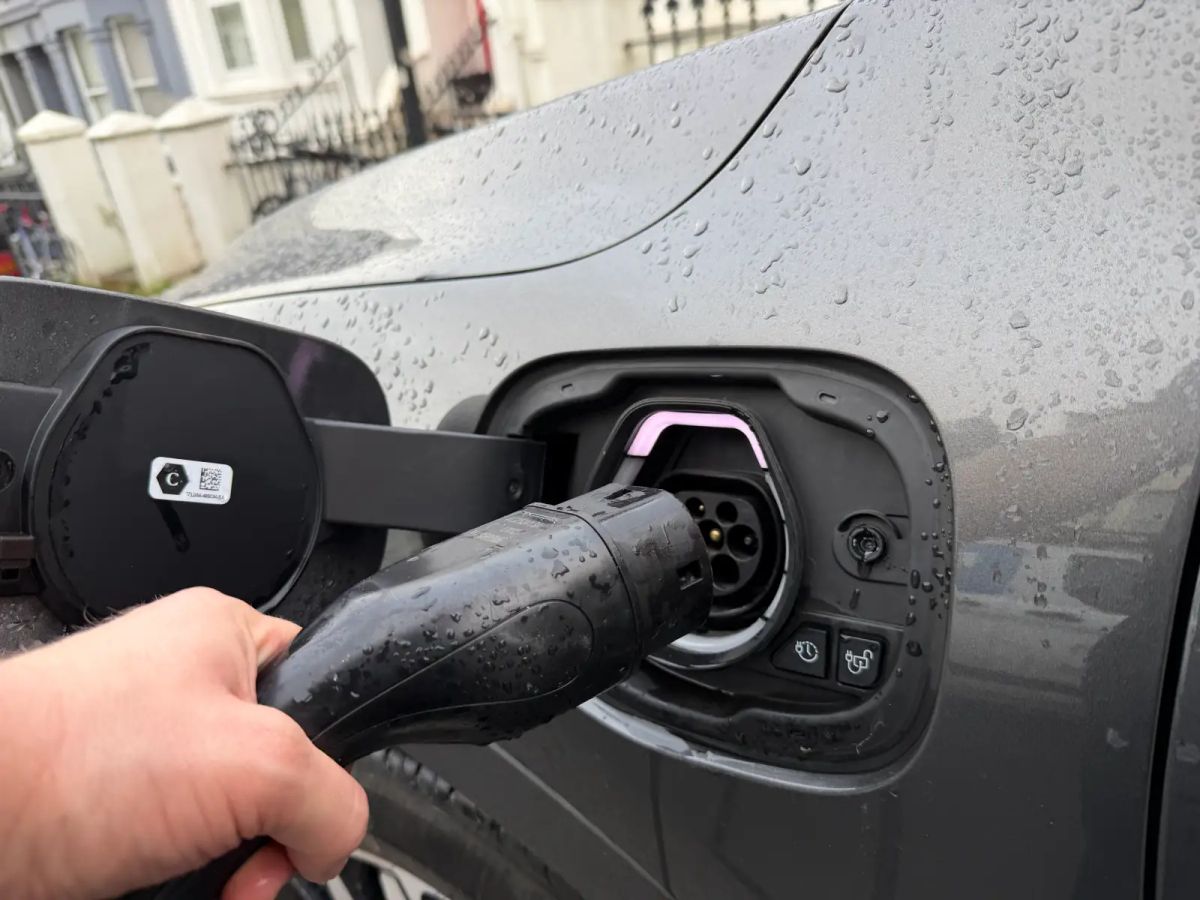
2025 UK Budget: EV, PHEV & Mileage Tax Explained
Quick Summary: The 2025 UK Budget, announced by Chancellor Rachel Reeves, introduces a new mileage tax for electric vehicles (3p per mile) and plug-in hybrids (1.5p per mile) starting April 2028. Petrol and diesel drivers benefit from fuel duty remaining frozen until August 2026, saving approximately £89 per year.
→ Use our free Pay Per Mile Calculator to see exactly what eVED will cost you from April 2028.
Key Facts at a Glance
- EV mileage tax: 3p per mile from April 2028
- PHEV mileage tax: 1.5p per mile from April 2028
- Average EV driver cost: £240–£270 per year (at 8,000–9,000 miles)
- Fuel duty freeze: Extended until end of August 2026
- 5p fuel duty cut: Remains in place until August 2026
- Petrol/diesel driver saving: Approximately £89 per year
- Consultation closes: 18 March 2026
- Announced by: Chancellor Rachel Reeves, Budget 2025
The 2025 UK Budget has announced sweeping changes that will affect every type of driver. Electric vehicle owners will face a new mileage-based tax from April 2028, plug-in hybrid drivers will see a reduced per-mile charge, and petrol and diesel drivers will continue to benefit from a long-running fuel duty freeze.
Whether you drive an EV, a PHEV, a petrol car or a diesel vehicle, this guide breaks down everything announced by Rachel Reeves and what it means for your driving costs in the years ahead.
EV Drivers: The New 3p Per Mile Mileage Tax (From April 2028)
One of the most significant announcements in the 2025 Budget is the introduction of electric Vehicle Excise Duty (eVED) – a new mileage tax for electric vehicles that will come into force from April 2028. EV drivers will pay 3p per mile, marking the end of the zero-road-tax era.
The government has launched a consultation on the eVED, which is open until 18 March 2026, seeking views on how the new system will work in practice.
What This Will Mean for EV Owners
From April 2028, EV drivers covering the UK average of 8,000–9,000 miles per year will pay around £240–£270 annually. This will bring electric motoring closer to the taxation model used for petrol and diesel vehicles, although EVs will remain cheaper to run overall due to lower charging costs.
Annual EV Mileage Tax Examples (at 3p per mile):
- 5,000 miles per year: £150
- 8,000 miles per year: £240
- 10,000 miles per year: £300
- 12,000 miles per year: £360
- 15,000 miles per year: £450
→ Calculate your exact costs with our Pay Per Mile Calculator
Why the New Tax Exists
Fuel duty revenue has been falling as more drivers switch to electric. The new system ensures EV drivers contribute to road funding proportionally to the number of miles driven.
PHEV Drivers: A Lower 1.5p Per Mile Charge (From April 2028)
Plug-in hybrid vehicles will be taxed at 1.5p per mile from April 2028, half the EV rate. This acknowledges their partial reliance on petrol and their typically smaller electric range.
Impact on PHEV Drivers
From April 2028, a PHEV driver covering 8,000 miles a year will pay around £120 per year under the new rules. PHEVs will remain one of the lowest-cost vehicle types for tax, offering a middle ground between electric and petrol driving.
Annual PHEV Mileage Tax Examples (at 1.5p per mile):
- 5,000 miles per year: £75
- 8,000 miles per year: £120
- 10,000 miles per year: £150
- 12,000 miles per year: £180
- 15,000 miles per year: £225
→ See what you'll pay with our free Pay Per Mile Calculator
Fuel Duty Freeze Extended: Good News for Petrol and Diesel Drivers
The 5p-per-litre temporary cut first introduced in March 2022 remains in place. Rachel Reeves has confirmed that fuel duty will stay frozen until the end of August 2026.
This affects both petrol and diesel drivers equally.
What This Means for Petrol and Diesel Cars
- Fuel duty frozen through the entire 2025–26 tax year
- 5p cut remains in place until end of August 2026
- Inflation-linked rise cancelled for 2026–27
- Gradual return planned to March 2022 levels by March 2027
- Annual inflation rises expected from April 2027 onwards
Savings at the Pump
For a typical petrol or diesel driver covering 7,500 to 8,000 miles a year, the combined effect of keeping the 5p cut and avoiding the indexing rise saves around £89 per year compared with previous government plans.
Petrol Drivers: Stable Costs Until 2026
Petrol drivers see no new taxes introduced in the 2025 Budget. With fuel duty frozen and the 5p cut extended, costs remain stable. This also means pump prices will stay lower than they would have been if the cut had ended.
Real-World Examples for Petrol Drivers
A petrol car averaging 45 miles per gallon uses around 750–800 litres of fuel per year. Keeping the duty freeze saves roughly £37–£40 annually from the 5p cut alone, with the rest of the £89 saving coming from avoiding the inflation-linked increase.
Petrol Driver Savings (based on 45 mpg average):
- Low mileage driver (5,000 miles): Uses around 500 litres, saves approximately £25 from the 5p cut and £55 total versus previous plans
- Average driver (8,000 miles): Uses around 800 litres, saves approximately £40 from the 5p cut and £89 total versus previous plans
- High mileage driver (12,000 miles): Uses around 1,200 litres, saves approximately £60 from the 5p cut and £130 total versus previous plans
Diesel Drivers: High-Mileage Users Benefit Most
Diesel drivers also benefit from the fuel duty freeze, particularly those driving high annual mileages. Business drivers, tradespeople, van users and long-distance commuters are among those who see the biggest savings.
How Much Diesel Drivers Save
The average diesel car achieves around 50 miles per gallon. With an annual mileage of 10,000–12,000 miles, a typical diesel driver uses 900–1,100 litres of fuel annually. Maintaining the 5p cut saves between £45 and £55 a year, with additional savings from cancelled uprating.
Diesel Driver Savings (based on 50 mpg average):
- Average driver (10,000 miles): Uses around 900 litres, saves approximately £45 from the 5p cut and £100 total versus previous plans
- Business driver (15,000 miles): Uses around 1,350 litres, saves approximately £68 from the 5p cut and £150 total versus previous plans
- High mileage driver (20,000 miles): Uses around 1,800 litres, saves approximately £90 from the 5p cut and £200 total versus previous plans
No Mileage Tax for Diesel Vehicles
Unlike EVs and PHEVs, diesel cars remain under the traditional fuel-duty and VED system. The Budget did not introduce any per-mile charges for combustion-engine vehicles.
Cost Comparison: All Vehicle Types at 8,000 Miles (From 2028)
Here is how costs will compare once the eVED comes into force in April 2028, based on 8,000 annual miles:
Electric Vehicle (EV) – from April 2028:
- Annual energy cost: Approximately £400
Running a UK garage?
From digital service history to online booking — AutoChain gives your workshop the tools to run smarter.
Get your first month free →- Mileage tax (from 2028): £240
- Fuel duty saving: Not applicable
- Net position: New £240 annual cost from 2028
Plug-in Hybrid (PHEV) – from April 2028:
- Annual fuel and energy cost: Approximately £600
- Mileage tax (from 2028): £120
- Fuel duty saving: Approximately £30
- Net position: New £90 annual cost from 2028
Petrol Car (45 mpg):
- Annual fuel cost: Approximately £1,200
- Mileage tax: None
- Fuel duty saving: Approximately £89
- Net position: £89 annual saving
Diesel Car (50 mpg):
- Annual fuel cost: Approximately £1,100
- Mileage tax: None
- Fuel duty saving: Approximately £89
- Net position: £89 annual saving
Energy and fuel costs are estimates based on average 2025 prices
The Expensive Car Supplement (Luxury Car Tax)
If your EV or PHEV has an original list price over £40,000 and was registered on or after 1 April 2025, you'll also pay the Expensive Car Supplement.
How It Works:
- Threshold: List price over £40,000 (including options)
- Amount: £425 per year on top of the standard £195 VED
- Duration: Charged for 5 years (years 2-6 after registration)
- Total VED with supplement: £620 per year
What EV Owners Over £40k Will Pay (from April 2028):
If your EV is over £40,000 and within years 2-6 of registration, you'll pay all three:
- VED (standard): £195
- Expensive Car Supplement: £425
- eVED (at 8,000 miles): £240
- Total: £860 per year (excluding electricity)
After year 6, the supplement ends and you'd pay just £195 VED + eVED.
Use our Pay Per Mile Calculator to see your exact costs.
Why These Changes Matter for All Drivers
The 2025 Budget creates a clear shift in how different types of vehicles will be taxed from 2028 onwards.
EV and PHEV Drivers
The upcoming usage-based tax (from April 2028) makes mileage tracking more important than ever. Running costs will become more dependent on how far you drive rather than emissions alone.
- Start tracking every mile now to understand your driving patterns
- Budget for the annual mileage tax that will apply from April 2028
- Expect rates to rise with inflation in future years
Petrol and Diesel Drivers
The fuel duty freeze continues a decade-long pattern of stability. For now, petrol and diesel remain predictable in terms of tax, though rates will start rising again after August 2026.
- Enjoy temporary savings while the freeze lasts
- Plan for future increases from 2027 onwards
- Track fuel consumption for accurate budgeting
Across All Vehicle Types
Cost forecasting and transparent maintenance history are becoming central to ownership. Buyers and insurers increasingly expect accurate mileage and verified service records.
Key Dates: What Happens When?
Here is the complete timeline of changes announced in the 2025 Budget:
Now until August 2026: Fuel duty frozen with the 5p cut remaining in place
Until March 2026: Government consultation on eVED design and implementation
September 2026 to March 2027: Fuel duty gradually returns to March 2022 levels
April 2027 onwards: Fuel duty rises annually in line with inflation
April 2028: Electric Vehicle Excise Duty (eVED) comes into force – EV drivers pay 3p per mile, PHEV drivers pay 1.5p per mile
For EV and PHEV drivers, the mileage tax rates are expected to rise with inflation in future years after 2028.
How AutoChain Helps All Drivers Navigate the New Costs
AutoChain is designed to support UK drivers through these budget changes by providing clarity, transparency and organisation.
Mileage Tracking
Automatically or manually log mileage and calculate exactly how much the new EV and PHEV charges will cost. Petrol and diesel drivers can track mileage for warranty, insurance and resale value.
Running Cost Forecasting
Get real-time projections showing how the 3p or 1.5p per mile rates – or your petrol or diesel fuel usage – affect your annual spend.
Verified Digital Service History
Garages upload servicing records directly, helping prevent fraud, lost documents and incomplete histories when selling or trading in your vehicle.
Value Protection
A clear digital history makes your car more attractive to buyers, especially as vehicle taxation becomes more focused on mileage and maintenance transparency.
Frequently Asked Questions
When does the EV mileage tax start?
The electric Vehicle Excise Duty (eVED) will come into force from April 2028. A government consultation on its design is open until March 2026.
How much will EV drivers pay under the new mileage tax?
From April 2028, EV drivers will pay 3p per mile. For the average UK driver covering 8,000–9,000 miles per year, this means £240–£270 annually.
How much will PHEV drivers pay?
From April 2028, PHEV drivers will pay 1.5p per mile, half the EV rate. An average driver covering 8,000 miles will pay around £120 per year.
Is fuel duty increasing in 2025?
No. Fuel duty remains frozen through the 2025–26 tax year, and the 5p temporary cut stays in place until the end of August 2026.
How much do petrol and diesel drivers save?
The fuel duty freeze saves a typical driver around £89 per year compared with previous government plans. High-mileage diesel drivers may save £150–£200 annually.
When will fuel duty start rising again?
After August 2026, fuel duty is expected to gradually return to March 2022 levels by March 2027, then rise annually with inflation from April 2027.
Do petrol and diesel drivers pay a mileage tax?
No. The new per-mile charges only apply to EVs and PHEVs. Petrol and diesel vehicles continue under the traditional fuel duty and VED system.
Related Articles
Vehicle Taxation:
- Car Tax (VED) 2025: Complete Guide to Vehicle Excise Duty Changes - Understand all VED changes
- Digital Service Records Benefits - Protect your vehicle's value
Cost Management:
- How to Check a Car's Service History in the UK - Verification methods
- Benefits of Digital Service History When Selling Your Car - Maximise resale value
UK Driving Costs:
- Dartford Crossing Toll Charges to Increase from September 2025 - Plan for toll increases
- Blackwall Silvertown Tunnel Charges 2025 - London tunnel costs
Related Tools from AutoChain
- Vehicle Checks - Comprehensive background verification
- Digital Records - Secure service history management
- Car Valuation - Real-time market value assessment
- Service Reminders - Never miss important dates
Conclusion
The 2025 UK Budget marks a major shift for drivers. EV and PHEV owners will face new mileage-based taxes from April 2028, while petrol and diesel drivers see continued stability thanks to the extended fuel duty freeze until 2026. No matter what you drive, staying informed and organised is now essential.
AutoChain gives drivers the tools to stay compliant, understand their costs and protect the long-term value of their vehicles as the UK moves into a more usage-based era of motoring taxation.
Ready to take control of your vehicle costs? Join AutoChain today and get accurate mileage tracking, cost forecasting, and verified digital service records all in one place.
About the Author: The AutoChain Team includes automotive industry experts and vehicle verification specialists with extensive experience in UK vehicle taxation, government policy analysis, and digital service record management. Our team is dedicated to helping UK drivers understand regulatory changes and manage their vehicle costs efficiently.

Ready to run a smarter garage?
Get your first month free today.
No card required. Get set up in under 10 minutes.