How Long Does a Car Service Take? UK Guide
How long does a car service take? Find out exactly how long different types of car services take in the UK. From quick checks to major services, plan your time with our comprehensive guide.
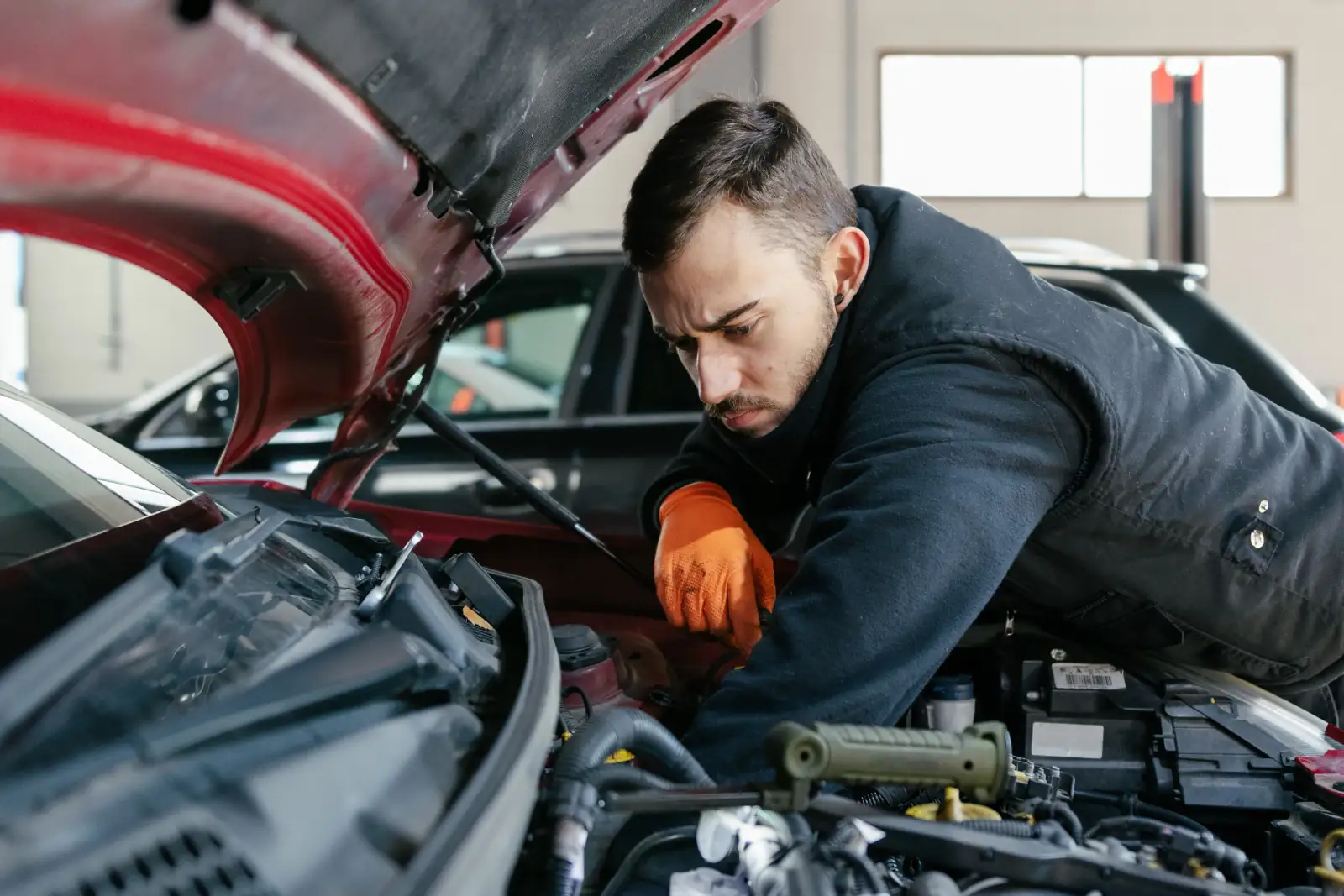
How long does a car service take - professional mechanic servicing car in UK garage
How Long Does a Car Service Take? UK Guide
Understanding how long different types of car services take is crucial for planning your day and managing expectations. Service duration varies significantly based on the type of service, your vehicle, and the garage's efficiency.
Types of Car Services and Their Duration
Interim Service (6,000-8,000 miles)
Duration: 1-2 hours
What's Included:
- Oil and filter change
- Visual inspection of major components
- Brake system check
- Tire condition and pressure check
- Fluid level checks
- Basic safety inspection
Time Breakdown:
- Preparation: 10-15 minutes
- Oil Change: 20-30 minutes
- Visual Inspection: 30-45 minutes
- Testing: 15-20 minutes
- Documentation: 10-15 minutes
Full Service (12,000-15,000 miles)
Duration: 2-4 hours
What's Included:
- All interim service items
- Air filter replacement
- Spark plug inspection/replacement
- Brake pad and disc inspection
- Suspension component check
- Exhaust system inspection
- Battery and charging system test
- Wheel alignment check
Time Breakdown:
- Preparation: 15-20 minutes
- Major Components: 60-90 minutes
- Detailed Inspection: 45-60 minutes
- Testing and Adjustment: 30-45 minutes
- Documentation: 15-20 minutes
Major Service (24,000-30,000 miles)
Duration: 4-8 hours
What's Included:
- All full service items
- Timing belt inspection/replacement
- Water pump check
- Fuel filter replacement
- Transmission service
- Coolant system flush
- Brake fluid change
- Comprehensive safety check
Time Breakdown:
- Preparation: 20-30 minutes
- Major Components: 2-3 hours
- System Flushes: 60-90 minutes
- Detailed Testing: 60-90 minutes
- Documentation: 20-30 minutes
MOT Test
Duration: 45-60 minutes
What's Included:
- Comprehensive safety inspection
- Emissions test
- Brake efficiency test
- Suspension and steering check
- Lighting and electrical systems
- Body and structure inspection
Time Breakdown:
- Preparation: 5-10 minutes
- Visual Inspection: 20-30 minutes
- Testing: 15-20 minutes
- Documentation: 10-15 minutes
Factors Affecting Service Duration
Vehicle Age and Condition:
- New Cars (0-3 years): Faster service, fewer issues
- Mid-Age Cars (3-8 years): Standard service time
- Older Cars (8+ years): Longer service, more potential issues
- High-Mileage Cars: Additional checks required
- Poorly Maintained Cars: Unexpected repairs needed
Vehicle Type and Complexity:
- Small Cars: Faster service, easier access
- Family Cars: Standard service time
- SUVs and 4x4s: Longer service, more components
- Luxury Cars: Extended service, complex systems
- Electric Vehicles: Different service requirements
- Hybrid Vehicles: Both engine and electric systems
Garage Efficiency:
- Main Dealers: Often slower, more thorough
- Independent Garages: Usually faster, more flexible
- Fast-Fit Centers: Quick service, may be less thorough
- Mobile Mechanics: Variable, depends on location
- Specialist Garages: May take longer for complex work
Seasonal Factors:
- Winter: Longer service due to weather checks
- Summer: Standard service time
- Peak Periods: Longer waits due to high demand
- Holiday Periods: May be faster due to lower demand
- MOT Season: Longer waits during peak MOT periods
Planning Your Service Visit
Booking in Advance:
- Main Dealers: Book 1-2 weeks ahead
- Independent Garages: Book 3-7 days ahead
- Fast-Fit Centers: Often same-day availability
- Mobile Mechanics: Book 1-3 days ahead
- Peak Periods: Book 2-4 weeks ahead
What to Bring:
- Service Book: Vehicle service history
- MOT Certificate: Current MOT if applicable
- Spare Keys: In case additional access needed
- Previous Invoices: For warranty or reference
- Contact Information: Emergency contact details
Drop-off Options:
- Wait at Garage: Bring work, books, or entertainment
- Leave Vehicle: Arrange collection time
- Loan Car: Some garages offer courtesy cars
- Pick-up Service: Some garages offer collection
- Mobile Service: Service at your location
What Happens During Service
Initial Inspection (15-30 minutes):
- Visual Check: Overall vehicle condition
- Service History: Review previous work
- Customer Concerns: Address specific issues
- Service Plan: Confirm work to be performed
- Time Estimate: Provide expected completion time
Service Work (1-6 hours):
- Component Access: Remove necessary parts
- Inspection: Check all specified components
- Replacement: Replace worn or damaged parts
- Adjustment: Fine-tune systems and components
- Testing: Verify proper operation
- Cleaning: Clean and prepare vehicle
Final Checks (15-30 minutes):
- Quality Control: Verify all work completed
- Test Drive: Road test if necessary
- Documentation: Complete service records
- Customer Briefing: Explain work performed
- Payment: Process payment and invoicing
Unexpected Delays and How to Handle Them
Common Causes of Delays:
- Additional Work Required: Unexpected issues discovered
- Parts Availability: Required parts not in stock
- Complex Repairs: More time needed than estimated
- Quality Issues: Work not meeting standards
- Equipment Problems: Garage equipment malfunctions
How to Minimize Delays:
- Regular Maintenance: Keep up with service schedule
- Address Issues Early: Don't ignore warning signs
- Choose Reliable Garages: Use established, well-equipped garages
- Book Off-Peak: Avoid busy periods when possible
- Be Flexible: Allow extra time in your schedule
Communication During Service:
- Regular Updates: Ask for progress updates
- Problem Discussion: Discuss any issues found
- Cost Approval: Approve additional work before proceeding
- Time Adjustments: Be flexible with completion time
- Collection Arrangements: Confirm pick-up time
Tips for Efficient Service Visits
Before Your Visit:
- Clean Vehicle: Remove personal items and clean interior
- Note Issues: Write down any concerns or symptoms
- Check Fluids: Top up oil, coolant, and washer fluid
- Gather Documents: Bring all relevant paperwork
- Plan Alternative Transport: Arrange backup transportation
During Your Visit:
- Be Clear: Explain any specific concerns clearly
- Ask Questions: Don't hesitate to ask about work being done
- Stay Informed: Request updates on progress
- Be Patient: Quality work takes time
- Stay Available: Be reachable for questions or approvals
After Your Visit:
- Review Work: Check that all requested work was completed
- Test Drive: Take a short test drive to verify everything works
- Ask Questions: Clarify any work performed
- Keep Records: File service documentation safely
- Schedule Next Service: Book your next service appointment
Service Packages and Time Savings
Express Services:
- Duration: 30-60 minutes
- What's Included: Basic oil change and safety check
- Best For: Quick maintenance between major services
- Limitations: Not as comprehensive as full service
Service Plans:
- Duration: Varies by plan
- What's Included: Pre-planned service schedule
- Benefits: Often faster due to pre-planning
- Cost: Usually more cost-effective long-term
Mobile Services:
- Duration: 1-3 hours
- What's Included: Basic to intermediate services
- Benefits: Convenience, no travel time
- Limitations: Limited to basic services
Cost vs. Time Considerations
Time-Saving Options:
- Express Services: Faster but less comprehensive
- Premium Garages: Often faster due to better equipment
- Service Plans: Streamlined process
- Mobile Services: No travel time required
Quality vs. Speed:
- Thorough Service: Takes longer but more comprehensive
- Rushed Service: Faster but may miss issues
- Balanced Approach: Good quality in reasonable time
- Customer Choice: You can specify your priorities
Keep track of your vehicle's service schedule and never miss important maintenance. Join AutoChain today to manage your service history and get timely reminders for your next service.
About the Author: The AutoChain Team includes certified automotive technicians and service advisors with extensive experience in vehicle maintenance and customer service. Our team is dedicated to helping UK drivers understand and manage their vehicle maintenance needs efficiently.
Frequently Asked Questions
Can I wait at the garage while my car is being serviced? Most garages have a waiting area for customers who prefer to stay on-site during a service. If you plan to wait, it is worth asking when booking whether a waiting area is available and what the expected duration is, so you can plan accordingly. Shorter services such as an oil change or interim service are typically practical to wait for. A full or major service taking three or more hours may be better suited to dropping the car off and collecting it later. Some garages offer courtesy cars or can arrange collection and delivery if waiting is not convenient for you.
Does a service take longer at a main dealer than an independent garage? Often yes. Main dealers tend to have higher customer volumes, more complex booking systems, and additional multi-point inspection processes that extend the time a vehicle is in the workshop. It is common for dealers to ask for a full day drop-off even for routine services. Independent garages, particularly smaller ones, tend to be more flexible and can often complete a standard service more quickly. The quality of the service itself is not necessarily related to speed — a thorough independent garage can match or exceed dealer standards in less time.
What should I do to prepare my car before a service? Remove any personal items from the glove box, boot, and door pockets that the technician may need access to. If there are specific concerns or symptoms you have noticed — such as unusual noises, a warning light, or poor fuel economy — note these down to discuss with the service advisor at drop-off. Make sure you have the vehicle's handbook available if the garage needs to reference service specifications. If there are items in the boot that would prevent access to the spare tyre or jack, remove them beforehand. Having your AutoChain account linked to the vehicle means the garage can view the full service history digitally without needing a physical service book.
Keep Reading
Related AutoChain articles for the same part of the ownership and workshop journey.
3D Printed EV Parts: Opportunities
Complete guide to 3D printing parts for electric vehicles. Learn why EVs are ideal for 3D printed components, which parts work best, temperature considerations, and how the lack of ICE systems opens new opportunities.
Best 3D Printers for Car Parts UK: 2026 Buyer's Guide
Complete guide to choosing the best 3D printer for making car parts. Compare budget to professional models, essential features for automotive printing, and which printers work best for PET-CF and other engineering materials.
How to Anneal 3D Printed Car Parts: Guide for PETG
Optional guide to annealing PETG and other 3D printed car parts. Note: PET-CF (205°C HDT) doesn't need annealing for under-bonnet use. Learn when annealing helps and exact temperatures for PETG, Nylon, and other materials.