Pay Per Mile Tax UK 2028: EV & PHEV eVED Guide
The UK's new pay-per-mile tax for electric vehicles starts April 2028. EV drivers pay 3p per mile, PHEVs pay 1.5p. Complete guide to eVED explained.
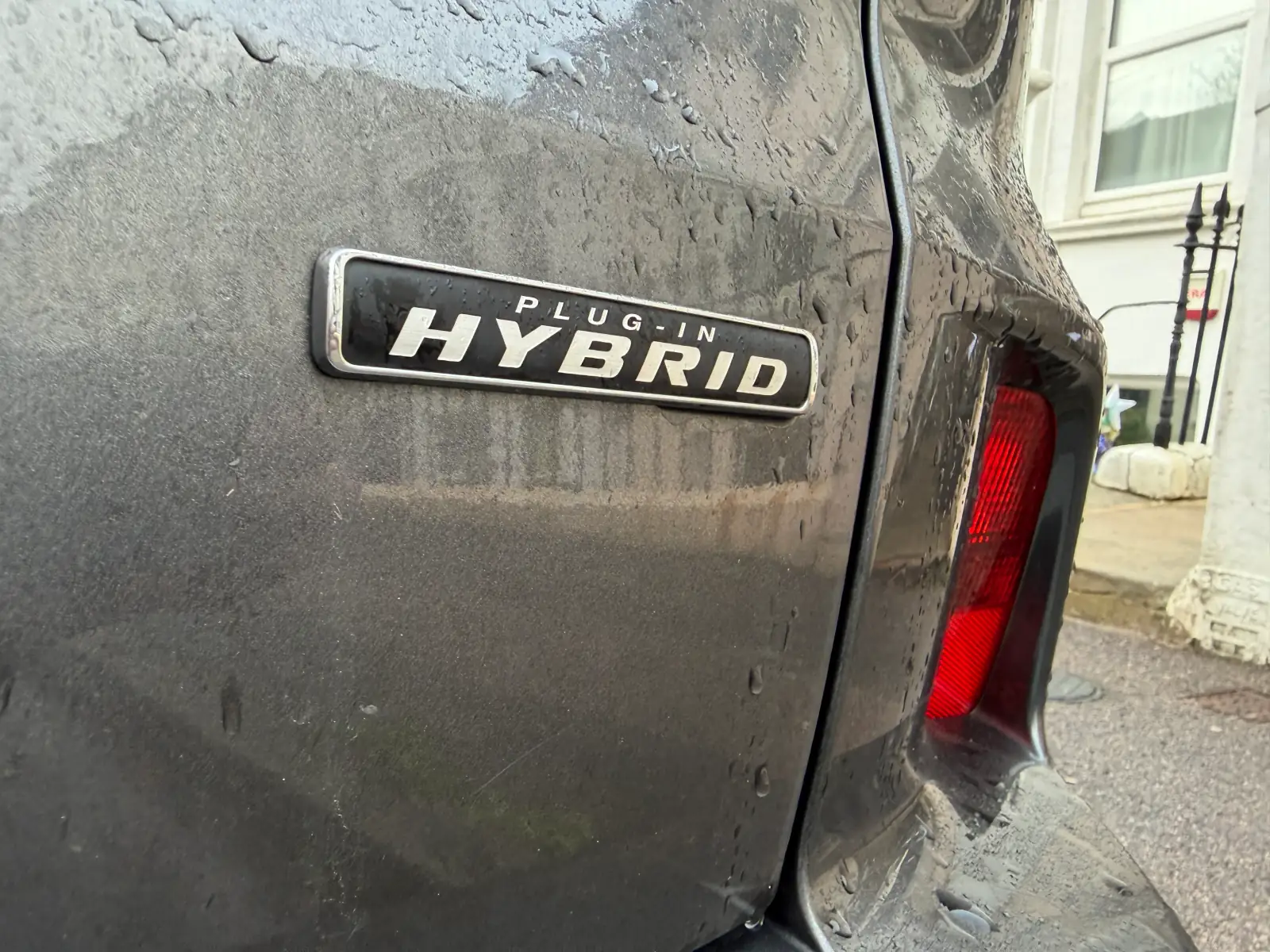
Pay per mile tax UK 2028 guide for electric and plug-in hybrid vehicle drivers
Pay Per Mile Tax UK 2028: EV & PHEV eVED Guide
Quick Summary: The UK government is introducing electric Vehicle Excise Duty (eVED) – a pay-per-mile tax for electric and plug-in hybrid vehicles from April 2028. Electric vehicles will pay 3p per mile (half the fuel duty rate) and plug-in hybrids will pay 1.5p per mile. No trackers will be required – mileage will be checked at MOT.
→ Use our free Pay Per Mile Calculator to see exactly what eVED will cost you.
Key Facts at a Glance
- Official name: Electric Vehicle Excise Duty (eVED)
- Start date: 1 April 2028
- EV rate: 3p per mile (half the 6p fuel duty equivalent)
- PHEV rate: 1.5p per mile (half the EV rate)
- Average annual cost (EV): £240 (at 8,000 miles)
- Average annual cost (PHEV): £120 (at 8,000 miles)
- How mileage is checked: At MOT test (no trackers required)
- Payment method: Alongside VED (road tax) – monthly, 6-monthly or annually
- Consultation closes: 18 March 2026
- Rate increases: Will rise with CPI inflation from 2029-30
What is the Pay Per Mile Tax?
The pay-per-mile tax, officially called electric Vehicle Excise Duty (eVED), is a new mileage-based road tax for electric and plug-in hybrid cars in the UK. Unlike traditional road tax which charges a flat annual fee, eVED will charge drivers based on the actual number of miles they travel.
The government announced this new tax in the 2025 UK Budget and published a full consultation document setting out how it will work. eVED comes into force from 1 April 2028.
Why is the Government Introducing Pay Per Mile?
As more drivers switch to electric vehicles, the government is losing billions in fuel duty revenue. The average petrol or diesel driver pays around 6p per mile in fuel duty (approximately £480 per year), money that funds roads, transport infrastructure, and public services.
Electric vehicles don't pay fuel duty because they don't use petrol or diesel. By 2030, around 1 in 5 car drivers will pay no fuel duty at all. The government projects fuel duty revenues will fall to around half current levels (from £24bn to approximately £12bn) by the 2030s.
The pay-per-mile tax ensures EV and PHEV drivers contribute to road funding based on how much they actually use the roads – but at a significantly lower rate than petrol and diesel drivers.
How Much Will You Pay?
Electric Vehicle (EV) Rates
Fully electric vehicles will be charged 3p for every mile driven from April 2028. This is exactly half the 6p per mile that the average petrol or diesel driver pays in fuel duty.
Annual cost examples for EV drivers:
- 5,000 miles per year: £150 (£12.50 per month)
- 6,000 miles per year: £180 (£15 per month)
- 7,000 miles per year: £210 (£17.50 per month)
- 8,000 miles per year: £240 (£20 per month)
- 9,000 miles per year: £270 (£22.50 per month)
- 10,000 miles per year: £300 (£25 per month)
- 12,000 miles per year: £360 (£30 per month)
- 15,000 miles per year: £450 (£37.50 per month)
The average EV driver covers around 8,900 miles per year, meaning typical annual eVED of approximately £267.
Plug-in Hybrid (PHEV) Rates
Plug-in hybrid vehicles will be charged 1.5p for every mile driven – exactly half the EV rate.
Annual cost examples for PHEV drivers:
- 5,000 miles per year: £75 (£6.25 per month)
- 8,000 miles per year: £120 (£10 per month)
- 10,000 miles per year: £150 (£12.50 per month)
- 12,000 miles per year: £180 (£15 per month)
- 15,000 miles per year: £225 (£18.75 per month)
Why Do PHEVs Pay Less?
Plug-in hybrids pay half the EV rate because they already contribute to road funding through fuel duty when using their petrol engine. The lower rate acknowledges this partial contribution without requiring drivers to report exact mileage driven in petrol versus electric mode.
Will Rates Increase?
Yes. The government has confirmed that eVED rates will be uprated in 2029-30 and in future years in line with CPI inflation, to ensure the tax maintains its real-terms value.
How Will eVED Work in Practice?
The government has designed eVED to integrate with the existing VED (road tax) system, making it as simple as possible for drivers.
Step-by-Step Process:
1. Estimate Your Mileage At VED renewal each year, you'll enter your current odometer reading and estimate your mileage for the year ahead. This is similar to estimating mileage for car insurance.
2. Pay Alongside Your VED Your estimated eVED charge will be calculated and you can pay it alongside your road tax. Payment options include:
- Monthly via Direct Debit
- Every 6 months
- Annually upfront
3. Drive as Normal No trackers, no GPS devices, no reporting of where or when you drive. Your privacy is protected.
4. Mileage Check at MOT Your mileage will be recorded at your annual MOT test (as already happens). For cars under 3 years old (pre-MOT age), you'll attend a mileage check at an accredited provider around your 1st and 2nd registration anniversary.
5. Reconciliation At the end of your VED period, your actual mileage is compared to your estimate:
- Under-estimated? You'll owe a balancing payment (can be spread over the following year)
- Over-estimated? You'll receive a credit for the next year
Example Calculation
EV driver paying monthly:
- Estimated mileage: 8,000 miles
- Rate: 3p per mile
- Total annual eVED: 8,000 × 3p = £240
- Monthly payment: £20 (alongside VED)
→ Try our Pay Per Mile Calculator to see exactly what you'll pay based on your driving habits.
No Trackers Required – Your Privacy is Protected
The government has explicitly ruled out GPS trackers or any technology that records where or when you drive. From the official consultation document:
"The government has taken an approach that protects motorists' privacy; there will be no requirement to report where and when miles are driven or install trackers in cars."
Mileage will be verified through:
- Odometer readings at MOT tests
- User-submitted mileage at VED renewal
- Accredited mileage checks for pre-MOT age vehicles
The government has stated that any future technology solutions would only ever be optional and on an opt-in basis.
How Will Mileage Be Checked?
Cars Over 3 Years Old (MOT Age)
Your mileage is already recorded at every MOT test. This data will be used to verify your self-reported mileage for eVED purposes. There are no additional steps for most drivers.
Cars Under 3 Years Old (Pre-MOT Age)
New cars will need to attend a mileage check at an accredited provider (likely MOT test centres) around their first and second registration anniversary. There will be no charge to the motorist for these checks – they will be funded by the government.
For New Car Purchases
Dealerships can pre-pay and bundle eVED mileage into the on-road price, or buyers can make their own arrangements.
Does This Replace Vehicle Tax (VED)?
No. The pay-per-mile tax is in addition to standard Vehicle Excise Duty (VED), not a replacement.
From April 2028, EV and PHEV drivers will pay:
- Standard VED (£195/year)
- Plus the Expensive Car Supplement if applicable (see below)
- Plus the new eVED mileage charge
The Expensive Car Supplement (Luxury Car Tax)
If your EV's original list price (including options) was over £40,000 and it was registered on or after 1 April 2025, you'll also pay the Expensive Car Supplement on top of everything else.
How the Luxury Car Tax Works:
- Applies to: Cars with list price over £40,000
- Amount: £425 per year on top of the standard £195 VED
- Duration: Charged for 5 years (years 2-6 after first registration)
- Total VED with supplement: £620 per year
What EV Owners Over £40k Will Pay (from April 2028):
If your EV is over £40,000 and within years 2-6 of registration:
- VED (standard): £195
- Expensive Car Supplement: £425
- eVED (at 8,000 miles): £240
- Total: £860 per year (plus electricity costs)
After year 6, the supplement drops off and you'd pay £195 VED + eVED only.
Total example for average EV driver (8,000 miles, car under £40k):
- VED: £195
- eVED: £240
- Total: £435 per year
→ Calculate your exact costs with our free Pay Per Mile Calculator
Which Vehicles Are Affected?
In Scope (from April 2028):
- All UK-registered fully electric cars (EVs)
- All UK-registered plug-in hybrid cars (PHEVs)
Not Affected:
- Petrol cars (continue paying fuel duty)
- Diesel cars (continue paying fuel duty)
- Standard hybrids (not plug-in) – these only use petrol/diesel as external power
- Vans, buses, coaches, motorcycles, HGVs – out of scope initially
- Non-UK registered vehicles (unless in UK for 6+ months)
Disability Exemptions
Those exempt from VED due to disability benefits (DLA, PIP) will still need to pay eVED, as they are not exempt from fuel duty. They will continue to receive VED exemptions as normal.
What Happens When You Sell, SORN or Scrap Your Car?
Vehicle Sold
Any pre-paid mileage stays with the vehicle and transfers to the new owner. The eVED status (whether there's pre-paid mileage credit or a deficit) is expected to be reflected in the sale price.
Vehicle Declared SORN
Paid-for mileage stays with the car until the next VED/eVED re-licensing. You may be able to request a refund for unused mileage through the change in circumstances process.
Vehicle Re-taxed After SORN
A user-supplied mileage reading determines the opening mileage when you re-license. This would generally be the same as the closing mileage pre-SORN unless the vehicle has been used off-road.
Vehicle Scrapped
A final mileage reading is required before scrapping to determine the final eVED liability. Authorised Treatment Facilities will be able to take this reading.
Will EVs Still Be Cheaper to Run?
Yes, significantly. Even with eVED, electric vehicles will cost much less to run than petrol or diesel cars for most drivers.
Cost comparison for 8,000 miles annually:
Electric Vehicle:
- Electricity cost: Approximately £400
- eVED (from 2028): £240
- VED: £200
- Total annual running cost: Approximately £840
Petrol Car (average):
- Fuel cost: Approximately £1,200
- Includes fuel duty: Approximately £480
- VED: £200
- Total annual running cost: Approximately £1,400
The EV driver saves around £560 per year even after eVED is introduced.
£3.6 Billion Support Package for EV Drivers
The government has announced significant support measures alongside eVED:
- Electric Car Grant extended – Additional £1.3bn funding, running until 2029-30 (total £2bn), with discounts up to £3,750 on eligible cars
- Expensive Car Supplement threshold raised – From £40,000 to £50,000 for EVs, saving over a million EV drivers £440 per year
- £200m for chargepoint rollout – Including home, workplace and public chargepoints
- Consultation on cross-pavement charging – Making it easier for homes without driveways
- 100% business rates relief – 10-year relief for EV chargepoints and EV-only forecourts
- Review of public charging costs – Starting Q1 2026 to look at reducing energy prices
- £4bn Drive35 programme – Supporting development of next-generation EV technology in the UK
Key Dates Timeline
- November 2025: eVED announced in 2025 UK Budget, consultation published
- Now – 18 March 2026: Government consultation open for responses
- 2026–2027: Final legislation and DVLA systems developed
- 1 April 2028: eVED comes into force
- 2029-30: First CPI inflation increase to eVED rates
How to Have Your Say
The government consultation on eVED is open until 23:59 on 18 March 2026. You can respond online at:
https://www.smartsurvey.co.uk/s/eVEDconsultation/
The consultation covers questions on:
- Overall design and scope
- Mileage estimation guidance
- Technology options (opt-in only)
- Managing under/over payments
- Support for MOT garages
- Fleet and leasing arrangements
- Lifecycle events (selling, SORNing, scrapping)
- Compliance and penalties
How to Prepare for Pay Per Mile
Start Tracking Your Mileage Now
Understanding your actual driving habits will help you budget for the new costs and make accurate estimates when eVED begins.
Use AutoChain for Accurate Records
AutoChain helps you prepare for eVED:
- Log mileage automatically or manually – Build an accurate record of your driving patterns
- Forecast costs – See what the pay-per-mile charge will cost based on your actual usage
- Maintain verified service history – Garages upload records directly, protecting your vehicle's value
- Track all costs – View mileage, maintenance, and running costs in one place
Consider Your Annual Mileage When Buying
If you're buying a new EV or PHEV, factor eVED into your total cost of ownership:
- Low mileage drivers (under 6,000 miles): Minimal impact – under £180/year for EVs
- Average drivers (8,000–10,000 miles): Moderate impact – £240–£300/year for EVs
- High mileage drivers (15,000+ miles): Higher costs – £450+/year for EVs, but still cheaper than petrol
Frequently Asked Questions
When does the pay-per-mile tax start in the UK?
The pay-per-mile tax (eVED) starts from 1 April 2028. A government consultation is open until 18 March 2026.
How much is the pay-per-mile tax for electric cars?
Electric vehicles will pay 3p per mile – exactly half the 6p per mile average fuel duty rate for petrol/diesel cars. For an average driver covering 8,000 miles per year, this equates to £240 annually or £20 per month.
How much is the pay-per-mile tax for plug-in hybrids?
Plug-in hybrid vehicles will pay 1.5p per mile, half the EV rate. For an average driver covering 8,000 miles per year, this equates to £120 annually or £10 per month.
Will I need a tracker in my car?
No. The government has explicitly ruled out trackers. There is no requirement to report where or when you drive. Mileage will be checked through odometer readings at MOT tests.
How do I pay eVED?
You'll pay eVED alongside your VED (road tax) through the same channels – online, at the Post Office, or by phone. You can pay monthly by Direct Debit, every 6 months, or annually.
Do I have to estimate my mileage?
Yes. At VED renewal each year, you'll estimate your mileage for the year ahead. This helps spread payments. At the end of the year, your actual mileage is reconciled and any over/under payment is adjusted.
What if I drive more or less than I estimated?
If you under-estimate, you'll owe a balancing payment (which can be spread over the following year). If you over-estimate, you'll receive a credit for the next year.
Is eVED in addition to road tax?
Yes. The pay-per-mile charge is separate from Vehicle Excise Duty (VED). EV and PHEV drivers will pay both the standard VED rate plus the per-mile charge from April 2028.
Do petrol and diesel cars pay per mile?
No. Petrol and diesel vehicles continue to pay road tax through fuel duty (around 6p per mile / 53p per litre) and are not subject to the new per-mile charge.
What about miles driven abroad?
UK-registered vehicles will pay eVED on all miles, including those driven overseas. The government decided not to deduct overseas mileage to keep the system simple and protect privacy.
What if my EV cost over £40,000?
If your EV's list price was over £40,000 and it was registered after April 2025, you'll pay the Expensive Car Supplement (£425/year) for years 2-6, on top of VED (£195) and eVED. That's up to £860/year before electricity costs.
Will the rates increase over time?
Yes. eVED rates will increase with CPI inflation from 2029-30 onwards.
Can I have my say on the pay-per-mile tax?
Yes. The government consultation is open until 18 March 2026 at GOV.UK.
Related Articles
- 2025 UK Budget Explained: What EV, PHEV, Petrol and Diesel Drivers Need to Know - Full Budget breakdown
- Car Tax (VED) 2025: Complete Guide to Vehicle Excise Duty Changes - Understand current VED rates
- Digital Service Records Benefits - Protect your vehicle's value
Related Tools from AutoChain
- Vehicle Checks - Comprehensive background verification
- Digital Records - Secure service history management
- Car Valuation - Real-time market value assessment
- Service Reminders - Never miss important dates
Conclusion
The pay-per-mile tax (eVED) represents a fundamental shift in how electric and plug-in hybrid vehicles are taxed in the UK. From April 2028, EV drivers will pay 3p per mile and PHEV drivers will pay 1.5p per mile – but this is still half what petrol and diesel drivers pay in fuel duty.
Crucially, the government has ruled out trackers and GPS monitoring. Mileage will be checked through existing MOT processes, and payments integrated into the familiar VED system.
While eVED adds a new cost to electric motoring, EVs will still be significantly cheaper to run than petrol or diesel alternatives. The key is understanding your mileage now so you can plan accordingly.
AutoChain helps drivers prepare by providing accurate mileage tracking, cost forecasting, and verified digital service records – giving you complete visibility of your vehicle's running costs before eVED arrives.
Ready to start tracking your mileage? Join AutoChain today and be prepared for the pay-per-mile tax.
About the Author: The AutoChain Team includes automotive industry experts and vehicle verification specialists with extensive experience in UK vehicle taxation and government policy. Our team is dedicated to helping UK drivers understand regulatory changes and manage their vehicle costs efficiently.